
Fitness
Variation in metabolic and enzymatic pathways affects an organism's fitness across different environments.
Molecular variation and fitness
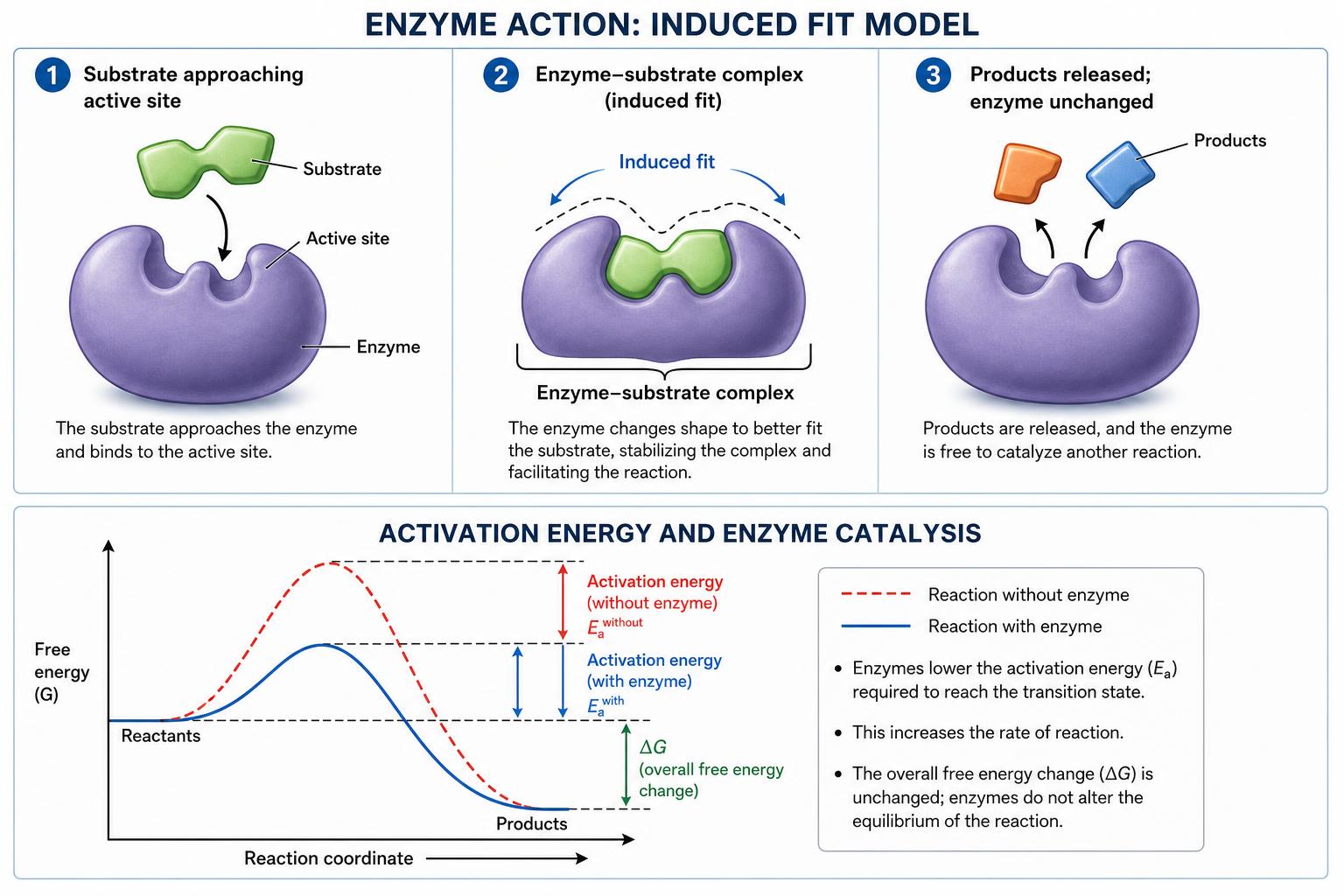
Even within a single species, individuals carry slightly different versions of metabolic enzymes due to genetic variation. Differences such as lactose tolerance persisting into adulthood, variants of alcohol dehydrogenase, or antibiotic-resistance enzymes in bacteria can substantially affect an organism's fitness - its ability to survive and reproduce - especially when environmental conditions shift.
Natural selection acts on this molecular-level variation exactly as it acts on more visible anatomical or behavioral traits. An enzyme variant that functions more efficiently at a new ambient temperature, a different pH, or in the presence of a novel toxin will tend to spread through a population over generations, because individuals carrying it leave more surviving offspring.
Aerobic vs. anaerobic strategies
Species differ dramatically in their reliance on oxygen for metabolism. Obligate anaerobes are actually poisoned by oxygen and are restricted to oxygen-poor environments such as deep soils, sediments, or animal guts. Facultative anaerobes, such as E. coli and yeast, are more flexible: they perform efficient aerobic respiration when oxygen is available but switch to fermentation when it is not, allowing them to occupy a broader range of habitats.
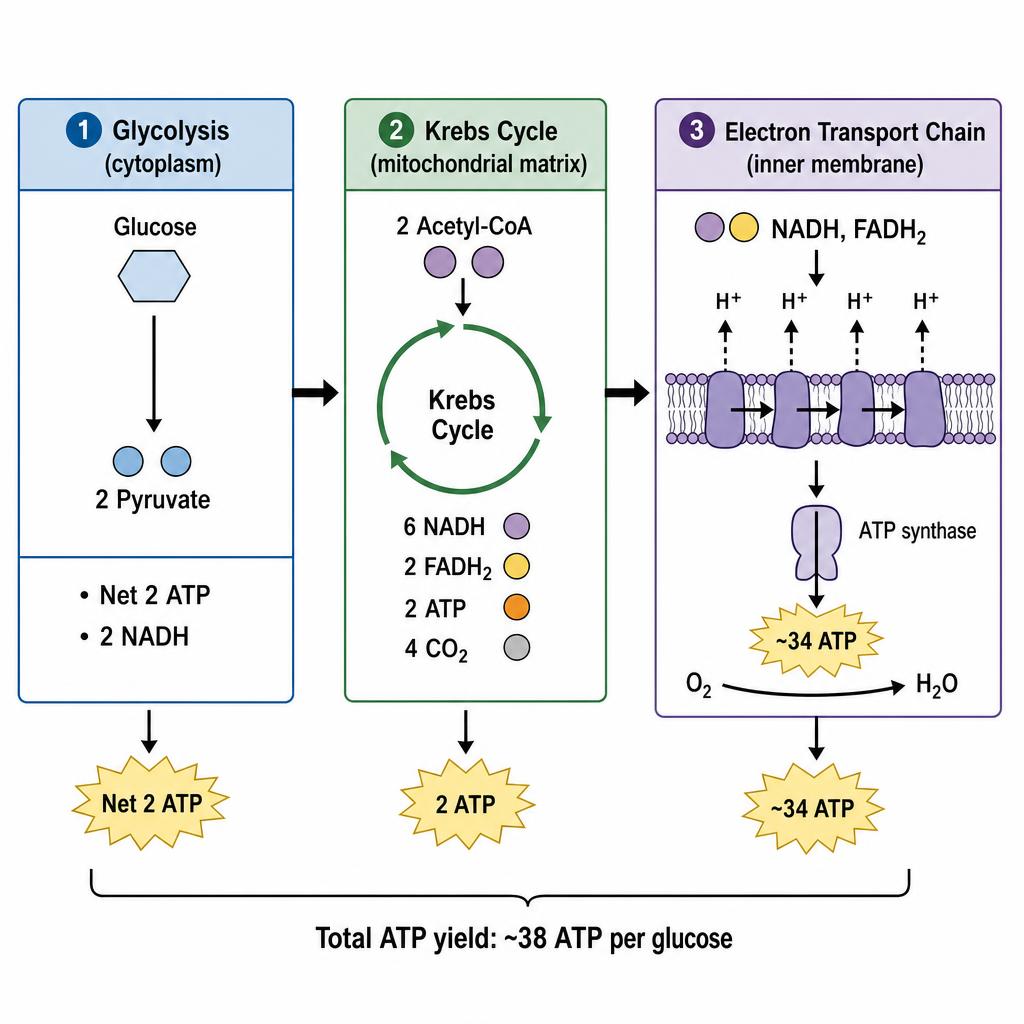
Aerobic respiration extracts far more ATP per glucose molecule (roughly 30-32) than fermentation (only 2), giving aerobic organisms a substantial energetic advantage where oxygen is abundant. Nonetheless, anaerobic environments are common and stable enough (waterlogged soils, deep mud, intestinal tracts) that anaerobic and fermentative metabolism remain highly successful evolutionary strategies.
Photosynthesis vs. chemosynthesis
Most of Earth's producers are photoautotrophs, capturing light energy through photosynthesis - including plants, algae, and cyanobacteria. This strategy depends entirely on access to sunlight, restricting photoautotrophs to sunlit environments (the photic zone in aquatic systems, or terrestrial habitats above ground).
In stark contrast, at hydrothermal vents on the deep ocean floor, where sunlight never penetrates, chemoautotrophic bacteria have evolved to oxidize inorganic compounds such as hydrogen sulfide (H₂S) or methane to generate the energy needed to fix carbon into organic molecules. This alternative energy-capturing strategy - chemosynthesis - supports entire ecosystems of tube worms, clams, shrimp, and crabs that would otherwise have no viable energy source, illustrating how differing metabolic strategies can confer fitness in radically different environments.
Key terms
4
- Fitness
- The relative reproductive success of an organism (or its genotype) in a given environment.
- Obligate anaerobe
- An organism that cannot survive in the presence of oxygen and relies entirely on anaerobic metabolism.
- Facultative anaerobe
- An organism that can perform aerobic respiration when oxygen is present but switches to fermentation when it is not.
- Chemosynthesis
- The process by which some producers synthesize organic molecules using energy from inorganic chemical reactions rather than light.
Sign-off
Finish this lesson
A lesson only counts once you've read all the way through and completed every activity on the page.
- Read the full lesson (scroll to the end)
- Complete all activities (0/2 done)